Printable letter recognition worksheets with simple examples are essential tools for early childhood educators. These resources help young learners identify and understand letters, laying the groundwork for reading and writing skills. In this article, you’ll find practical guidance on how to utilize these worksheets effectively, tips for tracking progress, and ideas for incorporating them into your lesson plans.
Understanding Letter Recognition
Letter recognition is a critical skill for children, typically introduced in preschool and kindergarten. It involves the ability to identify and name the letters of the alphabet, both uppercase and lowercase. Mastering this skill is essential as it forms the basis for phonics and reading comprehension. Printable letter recognition worksheets serve as engaging tools to facilitate this learning process.
These worksheets can include various activities such as tracing letters, matching letters with pictures, and identifying letters in words. By using simple examples, children can relate letters to their everyday experiences, making the learning process more enjoyable and effective.
Types of Printable Letter Recognition Worksheets
When searching for printable letter recognition worksheets, you’ll find a variety of formats and activities designed to cater to different learning styles. Here are a few popular types to consider:
Tracing Worksheets
Tracing worksheets allow children to practice writing letters while improving their motor skills. These worksheets typically feature dotted lines or outlines of letters for children to trace over. This method reinforces letter shapes and helps develop handwriting skills.
Matching Activities
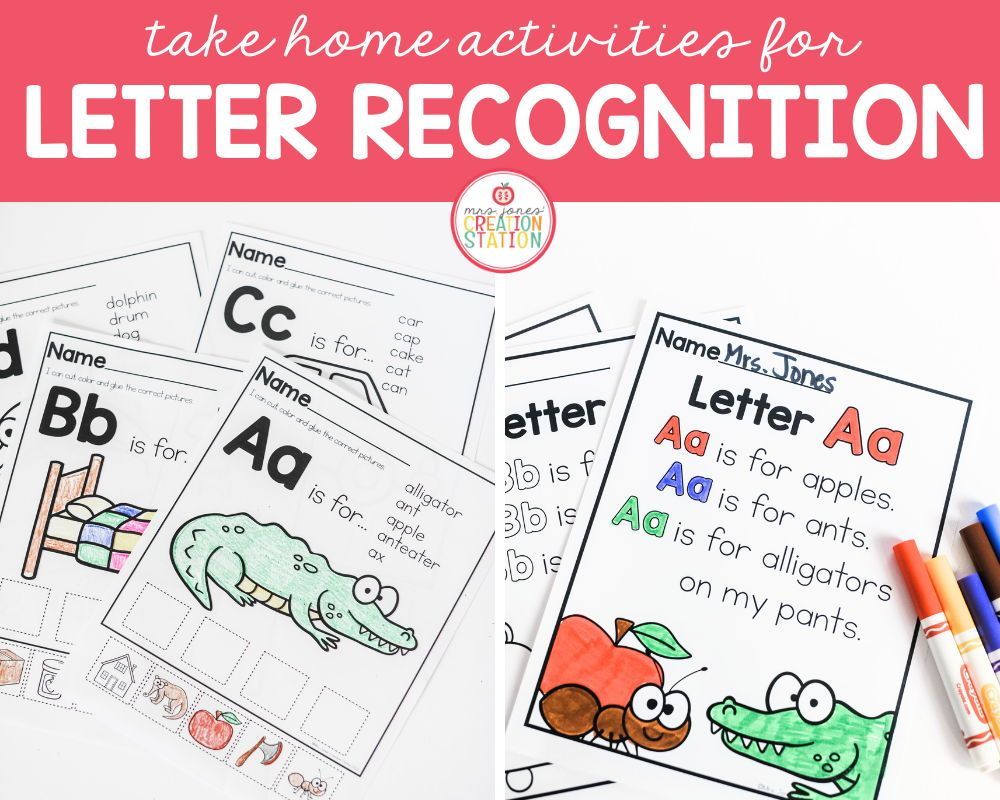
Matching activities can include tasks where children match letters to corresponding images that begin with that letter. For example, they might match the letter “A” with an apple. This activity not only reinforces letter recognition but also builds vocabulary.
Coloring Pages
Coloring pages featuring letters can make learning fun. Children can color in the letters while saying them aloud, reinforcing their recognition. This dual activity helps to engage visual and auditory learning processes.
Letter Identification Worksheets
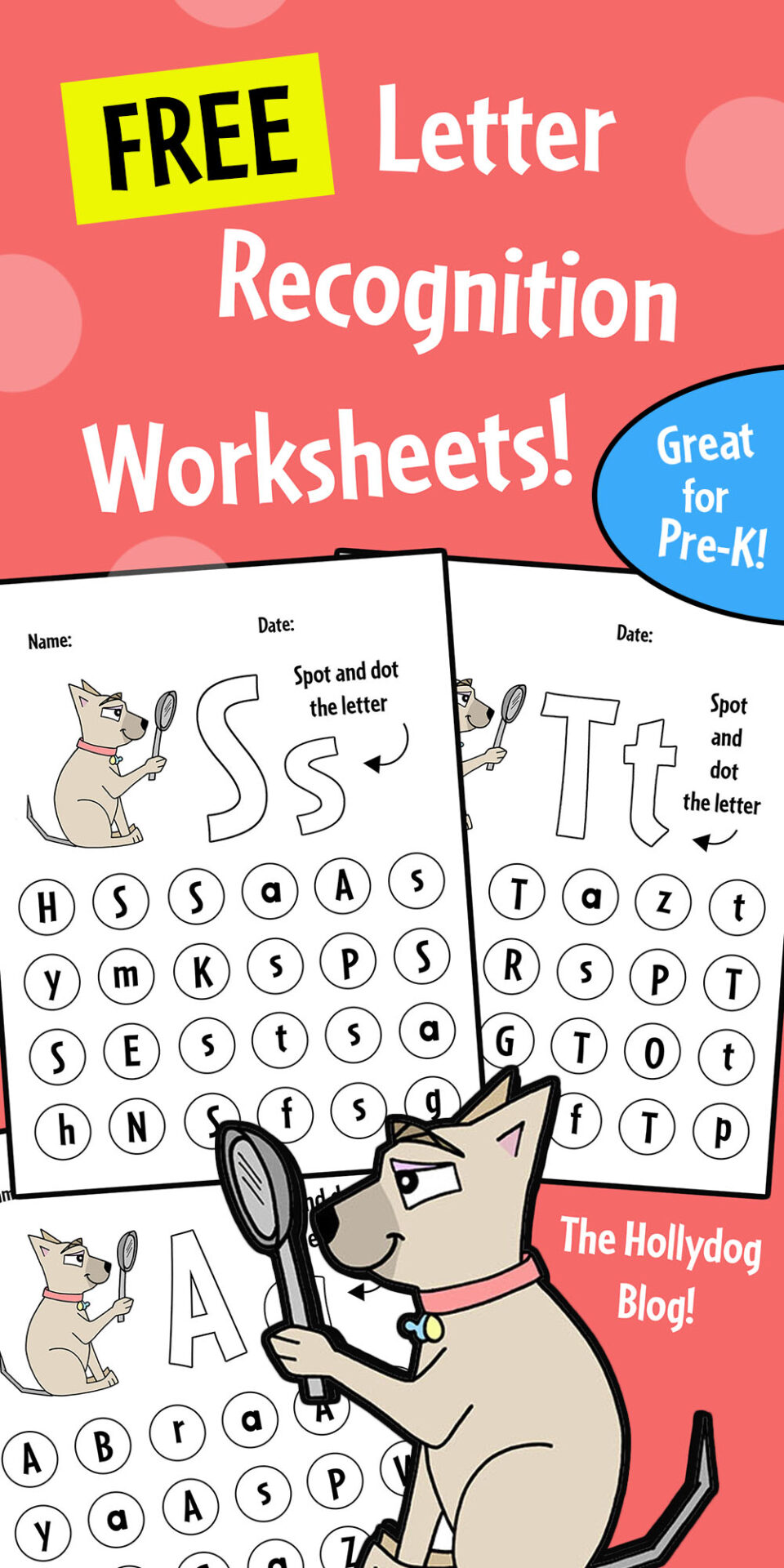
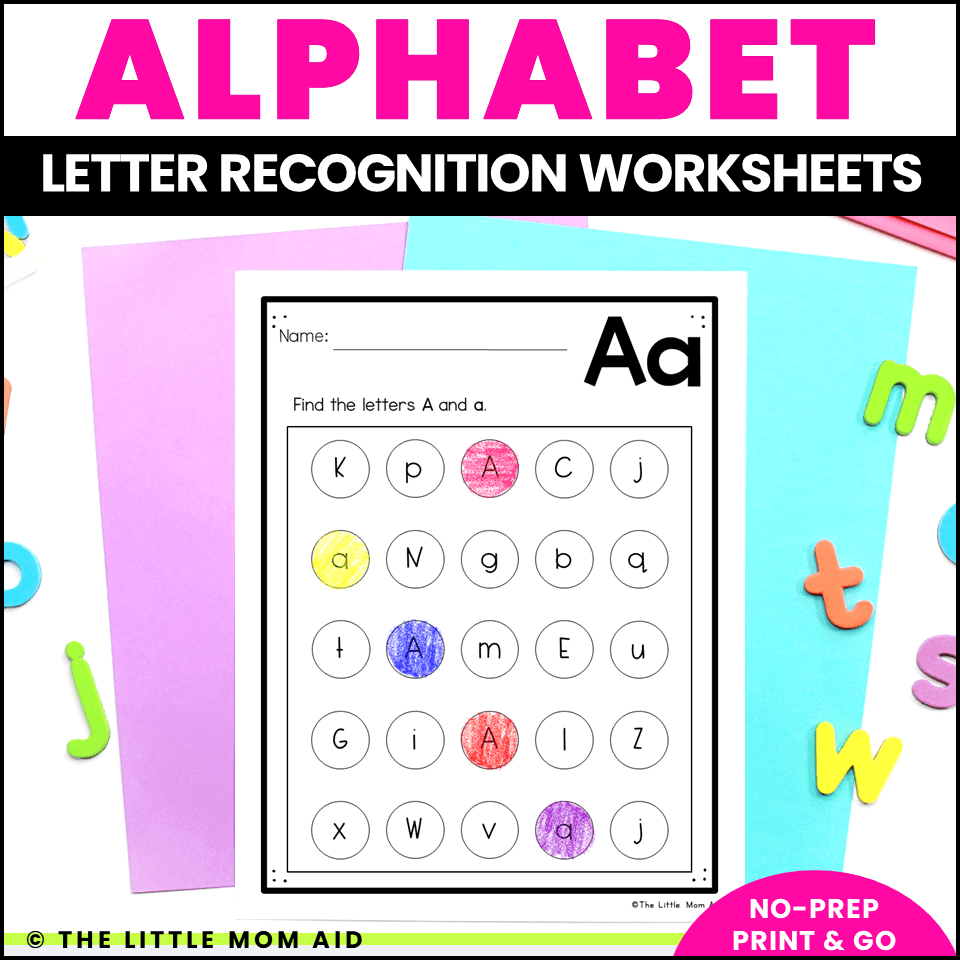
These worksheets often involve identifying letters within a larger context, such as finding letters in a word search or highlighting specific letters in a block of text. This type of activity promotes letter recognition in a more complex setting, preparing children for reading.
How to Use Printable Letter Recognition Worksheets Effectively
To maximize the benefits of printable letter recognition worksheets, consider the following strategies:
- Integrate with Daily Lessons: Incorporate these worksheets into your daily lesson plans. For instance, if you’re focusing on a specific letter of the week, provide worksheets that reinforce that letter.
- Track Progress: Keep a record of each child’s progress with their letter recognition skills. This can be as simple as marking completed worksheets or maintaining a portfolio of their work. Regular assessments can help identify which letters they recognize and which ones need more practice.
- Encourage Collaboration: Pair students up to work on worksheets together. This encourages peer learning, where they can help each other and discuss their answers, further solidifying their understanding.
- Provide Feedback: After students complete their worksheets, take the time to review their work. Offer positive feedback and gentle corrections to guide them in the right direction.
- Use Rewards: Consider implementing a reward system for completing worksheets. Simple incentives like stickers can motivate young learners to engage more with their letter recognition practice.
Adapting Worksheets for Different Learning Levels
While printable letter recognition worksheets are designed for early learners, they can be adapted for various levels of understanding:
- For Advanced Learners: Incorporate more complex activities, such as writing simple words that begin with the letters they are learning. This will challenge them to apply their understanding of letter sounds in context.
- For Struggling Learners: Use worksheets with more visual supports, such as pictures related to the letters. Repetition and additional practice may be necessary, so provide extra worksheets for those who need them.
Where to Find Printable Letter Recognition Worksheets
There are many online resources where you can find printable letter recognition worksheets. Websites dedicated to educational materials often offer free or low-cost downloads. Look for sites that provide high-quality, age-appropriate resources.
When searching, consider using terms like “free printable letter recognition worksheets” or “letter recognition worksheets for kindergarten” to narrow down your options. Many sites also offer customizable templates, allowing you to create worksheets tailored to your classroom needs.
Getting Started With Your Printable Worksheets
Once you’ve found your ideal printable letter recognition worksheets, it’s time to print and prepare them for use. Here are some practical tips:
- Use Quality Paper: For worksheets that will be used frequently, consider printing on cardstock. This material holds up better to repeated use, especially if you plan to laminate the sheets for durability.
- Select the Right Format: PDFs are often the best format for printing worksheets as they maintain formatting across different devices. Avoid image files when possible, as they can sometimes lead to resizing issues.
- Consider Layout: Portrait layout typically works better for worksheets, ensuring they fit well on standard letter-sized paper. Check printer settings to ensure the best output quality.
- Prepare for Use: Gather any additional materials needed for the activities, such as crayons, markers, or scissors for cutting and pasting activities.
By following these guidelines and utilizing printable letter recognition worksheets with simple examples, you can create an engaging and effective learning environment that fosters early literacy skills in your students. Start printing, adapting, and using these resources today to enhance your teaching and track your students’ progress!